The Musings
Quick Tip: Be Careful With Shot Bags On A Slider
When using a slider right on the ground the grips will often put a shot bag on either side of it so it doesn’t move around. Newer (and likely all) shot bags are now filled with metal shot as opposed to sand. There is a round magnet built into most of these sliders that, when it comes close to the opposite magnet at the end of the slider, it is repelled.

Be an Actor Advocate While They Aren’t There
The rehearsal is over and the crew takes over the set. Invariably things move, lights come in, flags are set, dolly track is laid, and a number of things begin to happen all at once. As the camera operator, it is your job to make sure that the shot that has been decided on is achievable and there will likely be things adjusted to make sure that this can happen. But at the same time, you need to be an actor advocate on set and consider what the actors, who aren’t there to give their input, might need in order to fulfill the scene as rehearsed.
If It Works, It Works
As filmmakers, we have all sorts of tools at our disposal: dollies, cranes, Steadicam, handheld, insert cars, drones, and on and on. Sometimes, we can get caught up in the tech and forget about what we are really there to do: to tell stories.
Framing and Composition
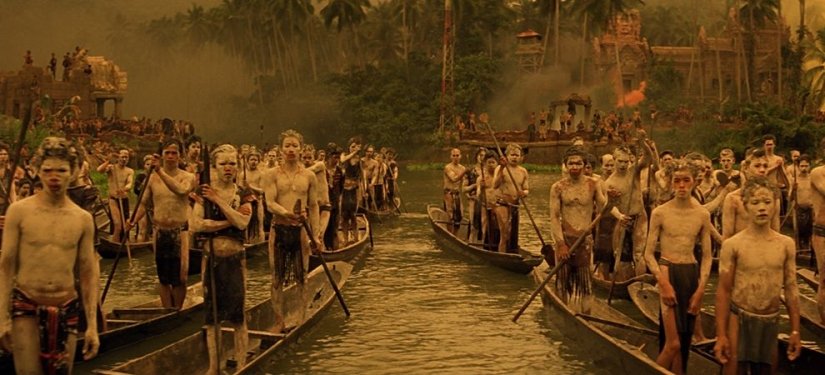
A ways back, an op that I was mentoring through Local 600 asked me if I could make a list of things I think about when operating. I started to jot things down and, over time, have added to it as I think of things. What I realized is that, much like driving a car since I was 16, having operated for 30 years, there are all sorts of things that I do and have learned that I don't think about.

Quick Tip: How to Hide A Vending Machine
Today’s quick tip comes from an amazing cinematographer, David Mullen, pulled from Facebook. A genius way to hide something unsightly.
Don’t Let Your Career Define You
We work in an industry that for many of us has been a lifelong dream, and when we finally make it to “the show”, there’s nothing more we’d like to do. Even 35 years after I started there are still days and shows where I don’t want to do anything else but be on set (although they are fewer than they were originally….). One of the things about this industry, if you love filmmaking, and I mean really love it, is that it is a drug - in both good and bad ways - but nonetheless a drug.

Quick Tip: Be Decisive
As an up-and-coming operator, it's hard to sound like you know exactly what you want to do because, let’s face it, you probably don't, or if you do, you're not sure that you do. I see this time and again with younger/newer operators and, largely due to societal reasons, I see this more with women who are coming up as operators than I do with men.

Quick Tip: 5 Words Or Less
When the director yells cut and they ask you how it was (no one does this anymore) or if there is an issue you need to let them know about they were not aware of, here’s one simple rule - say it in five words or less.

To Read The Book Or Not To Read The Book, That Is The Question
At some point you are going to get on a project that is an adaptation of a novel and the question will arise “so should I read the book?”.
There is no real correct answer to this but I’ll give you both sides of the coin because there is value in each.

The Day You Stop Learning
This one goes for life just about as much as it does for your career in the film industry.
There is always more to be learned, more skills to hone, more ideas to understand.
I have been on the most boring shows in the world and I still found something I could learn. And, mind you, learning isn’t always from watching someone do something amazing.

The Time I Almost Destroyed The ER Live Episode
Season 4 of ER began with a live episode. That’s right, LIVE as in we shot it, you saw it and there was no buffer, not even a delay in the broadcast. If the thing stopped, there was nothing to save us.

Quick Tip: Assassins and Opportunities
The job of the camera operator has many facets but in the end it can be distilled into two pretty simple ideas: can you accomplish the shot, and can you make it better. This is how I approach every shot I do and the way I break it down is to start with looking for assassins and opportunities.
When The Shot Doesn’t Tell The Story
Years ago, when I was still a young pup steadicam op, we had a newer director come in on a very very big show I was working on. After about the second scene I noticed that I simply wasn’t landing frames well or wasn’t landing them at all. It was the strangest thing because while I had been an operator for quite some time I felt like I didn’t know how to use the equipment anymore. I secretly wondered if I’d been drugged or was sick.

Use Your Downtime
Younger operators often ask me what they can do when they aren’t working (which is most of the time at that point in their career) so they can continue learning. It's tough to be starting out, to want to get experience but to not have the ability to be going to set every day and learning. Here’s what I tell them:

Sliders Don’t Have To Slide
Nowadays in this digital realm that we work in (or at least when we went digital it seems like that was when sliders first started showing up), there are no sets that I go on that dont have a few sliders for the operator to use. For those of you who don't know, a slider is a rectangular unit that sits below the head on top of the dolly or a set of sticks, and with the help of some rails, ball bearings and unicorn tears, allows you to slide the camera from one side to another, or forward and back if set differently, extremely smoothly.

Quick Tip: Read the Script, Read it Again, Read It Again
If you haven't figured it out yet, everything you do as an operator revolves around story. So, the best way to do your job is to know the story like the back of your hand.
Think Like An Editor
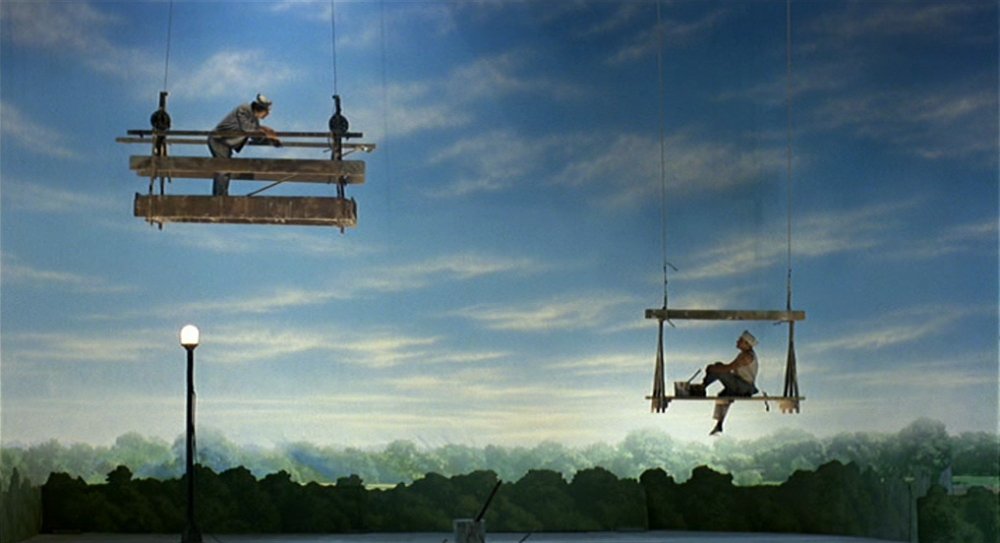
As an operator, it is clear what your job is. Frame the story, move the camera, understand storytelling through the lens, be a part of the team. Underlying all of that are other concepts that you should start considering, ones that will only make you better. One of the big ones is to think like an editor. Sometimes, doing so can be the difference between being a good operator and being a great operator.
The Line - When its important and when it’s not
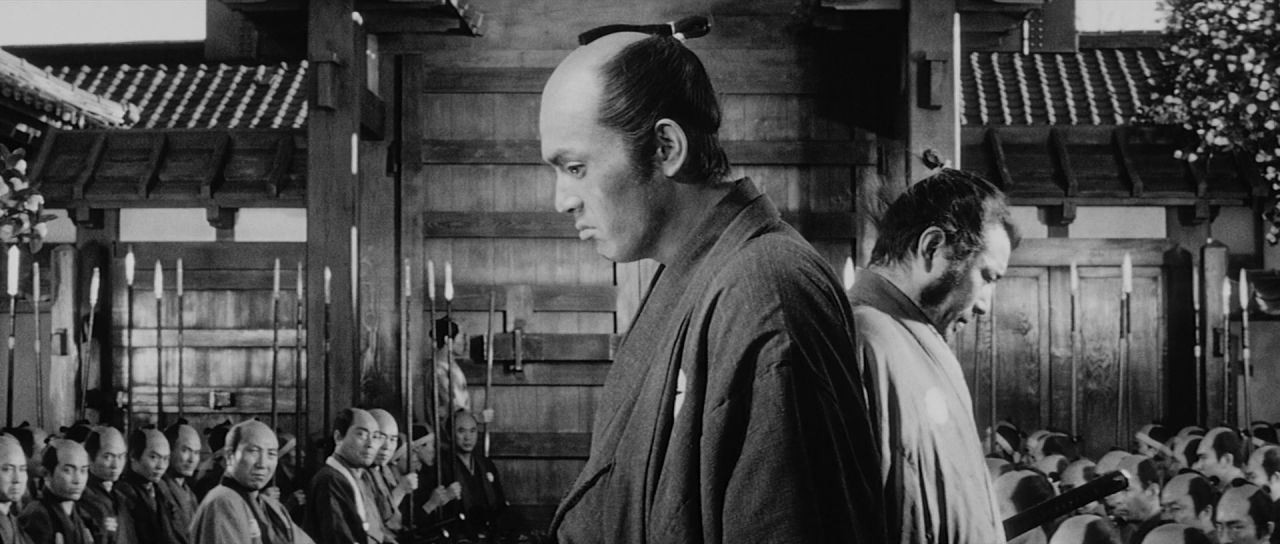
One of the first rules you will need to master as an operator is the line, that magical imaginary line that connects two people in a scene that you cannot cross with the camera or all life as we know it will cease to exist, the universe will implode and time itself will end. I kid of course, but I know directors, DPs, script supervisors and beyond who cannot fathom crossing the line for any reason, and feel it should never be done. I know one director who actually has to maintain the line when shooting people in separate rooms on phone calls (at least as far as which way they are looking) and I always ask him “Do you really think if she looks the other way people aren’t going to know she is still talking to the guy on the other end of the phone?”.

Zooms vs. Primes
Seriously?
Primes.
I’m not saying zoom lenses don't have their place, but zoom lenses should be used to tell the story with an in camera zoom. Anything else makes for lazy filmmaking.
Second Team
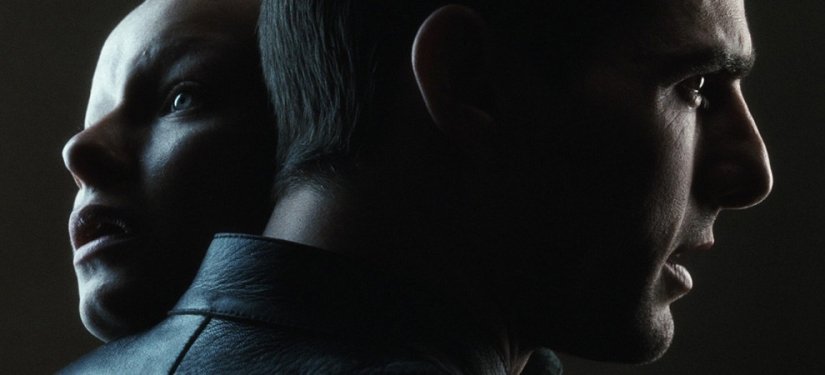
By my estimation, stand-ins are both the most underrated and one of the most crucial part of any operator's experience. A great stand-in can save your ass and a poor stand-in can make your job extremely tough. I always try to make it a point to introduce myself to them on day one, and engage them in the process. Their job can be truly tough, as standing still while people look at you is not the easiest thing to do, and the more you let them know how important what they do is (it really is), the more involved they will be.