

The Answers
We pose a question to a group of veteran camera Ops, representing over 400 years of experience between them, about all aspects of the business. Answers are posted anonymously, because, in the end, there are rarely any absolute solutions to anything on set, but rather different ways that Ops deal with things. The idea is to see different opinions and then decide what would work best for you.
See their answers below, and, if you have a question of your own, email us, and we will add it to the queue.

Does anyone have resumes anymore? What do you give to a new DP or UPM if they are asking to see what you’ve done? Website? Reel? IMDB?
Good question: IMDB has done away with resumes, in my opinion.
However if you do send a resume or more likely an email introduction for an operating job, don’t classify yourself as a DP/operator. Pick one job and submit. Steadicam ops should be able to submit a reel. It should include longer takes and starts and stops.

You show up for day playing and the dolly grip or 1st AC aren’t as good as you need them to be. What do you do?
This is always a sticky situation but the first conversation to be had with either, or both, is let’s do this together and it’s gonna be great. I used to watch other ops get frustrated and beat down on one or both positions to which there will be no positive outcome. Like with kids, new coworkers will respond better to positive reinforcement and compromise. With some hard work and a little luck you’ll get thru the day, they elevate their work to yours and if you’re fortunate enough to get invited back now you have a working relationship to build from that is positive….

What do you use to create a handheld look? How do you deal with it when the camera needs to be lower? Are there any pieces of equipment you would suggest?
We did a lot of handheld work on Succession that had to incorporate zooms so I had the zoom control hooked up to my left side grip as opposed to the right where it normally is. I did this because when holding the camera most of the weight was carried in my right hand which became harder to finesse the zoom so I switched it to the left. I also use a great shoulder pad, hand made by a guy, sold on Etsy, called Holzer Pad. It is unique because it has hard foam then a bendable metal plate topped with leather.
As a new operator, sometimes I get in my own head and it becomes an issue. Does this happen to seasoned operators? How do you deal with it?
I think operators need to have the same mindset as an athlete, be it a field goal kicker that just missed a critical kick or a quarterback that just threw an interception. You need to be in the moment - there isn’t time to dwell on past performance – establish what went wrong, figure out how to fix it, then move on so the mistake doesn’t mentally tank your next take/shot. It is important to have short-term memory when it comes to mistakes – the faster you put them in the rear-view mirror, the sooner you can move on to the next challenge.

Movies Every New Operator Should See
The Untouchables, The Insider, Ida, Throne Of Blood, Lawrence of Arabia

How to work with actors. What works, what doesn’t.
You want to be careful about when you approach an actor, and avoid doing so when they are concentrating on working out something.
What do you expect from the B cam op and what is their responsibility? If you are a B camera op, what do you feel your responsibilities are on set?
I work primarily as a B camera operator. Most of the DPs I work with like to (at the very least) rough in shots for both A and B – I don’t work with people who want me to go rogue and do my own thing very often, if ever.
Are there shows or directors/DPs who have mandates on framing, movement, etc? Can you share any of them and what do you do if that goes against the aesthetic that you are used to?
I did a pilot years ago where the director had this vision that we should play all headroom so tight as to chop their hair - even in wide shots. It was ridiculous and the DP and I fought him to no avail. It was what he wanted and ….wait for it…it was horrible and didn’t work.

Do established operators still doubt themselves? If so, how do you deal with it?
I think operators need to have the same mindset as an athlete, be it a field goal kicker that just missed a critical kick or a quarterback that just threw an interception. You need to be in the moment - there isn’t time to dwell on past performance – establish what went wrong, figure out how to fix it, then move on so the mistake doesn’t mentally tank your next take/shot. It is important to have short-term memory when it comes to mistakes – the faster you put them in the rear-view mirror, the sooner you can move on to the next challenge.
As A New Operator, What Can I Do When I’m Not Working To Continue Learning?
There are many things a new operator can do to improve their skills while waiting for the phone to ring. First, dig into the fantastic content on theop.io! Check out a great industry podcast like Roger Deakins’s “Team Deakins”. If you do steadicam, find others in your area and skill level and set up practice sessions. Head to a local rental house and set up a camera on a gear head and improve your skills on the wheels. Take a still camera out on a hike or a stroll downtown and work on your framing by shooting photographs - make sure to look at your finished work and critique it.
Which if any of your responsibilities crosses over into another department's domain? How do you handle that?
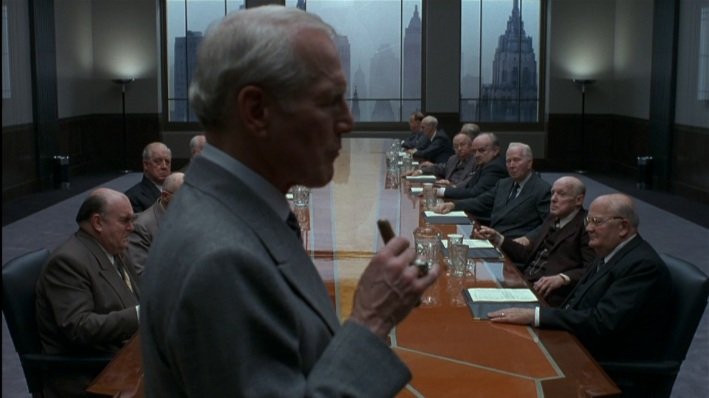
The only situation I can think of where I’m potentially crossing into someone else’s business is with the onset dresser. I’m pretty good about letting them know if something needs to be adjusted, tweaked, or moved to improve the shot, but sometimes, it is just easier to do a quick fix yourself – such as shifting a wine glass two inches to the left on a dinner table so it isn’t blocking an actor.

When you are on A cam, how do you know when to run to the bathroom?
The hardest thing to learn as an operator…when is the right time to leave the set. After a few years you study how long everything takes: laying the track, moving the techno base, when the director calls cut and moving on…and in those few moments you make your move! Now there is always the variable of how far away are the bathrooms which is when I like to make a point when they are too far away of walking back at a very leisurely pace and having them all wait for me. AD’s love that!!

What should I be doing to prep for a film? Equipment Wise? Conceptually?
I don’t contact operators about actors, directors, or DPs before starting a show. Everyone is different, and has a unique energy to them - another operator might have a different approach to dealing with actors than I do, and that may cause a reaction (good or bad) that I might never encounter. I prefer to go into a project assuming the best and make adjustments as needed, rather than have a preconceived notion about someone before meeting them.
How Do You Decide When To Use The Wheels vs a Fluid Head?
For most situations I prefer the wheels, I know that when something is moving in my hands, the frame is changing. It is a tendency for me to over operate when on a fluid head. Furthermore, when scanning the frame for "bad things" I find my hands will wrongly drift to where I am looking and screw up headroom or even pan into the "bad things" to be avoided. Of course when on a slider, the fluid head is the most common choice.