

The Musings
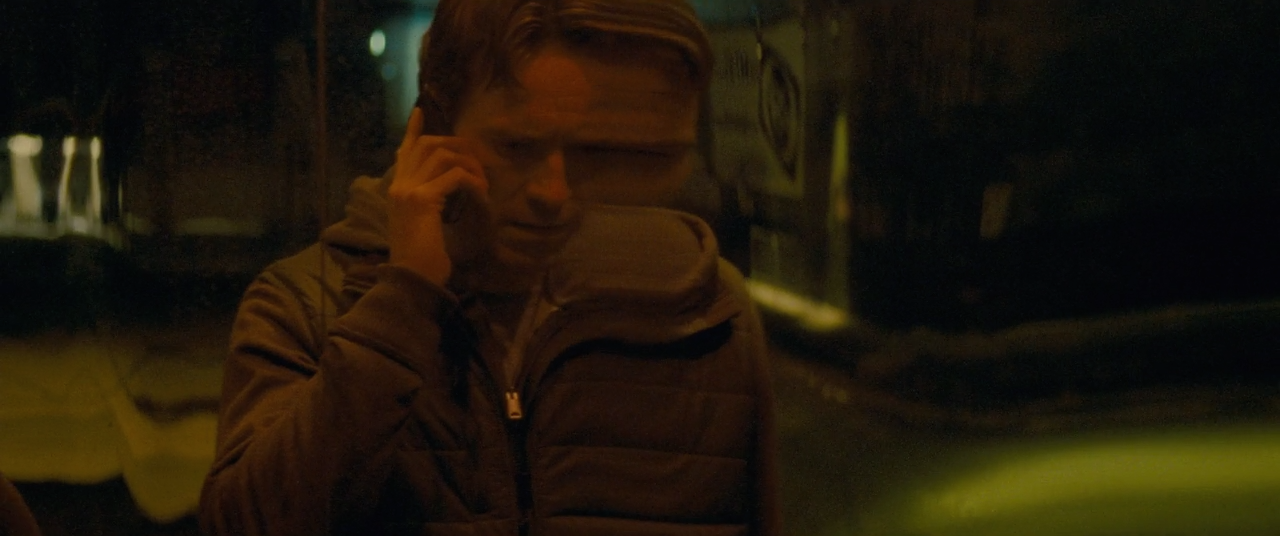
Quick Tip: You Don’t Have To Know Everything
I often find that younger ops are concerned that they don't know all the solutions, don't know all the shortcuts, don't have all the answers. Let me let you in on a secret: none of us do. I can’t tell you how many times I will recognize a problem and turn to ask my dolly grip, my assistant, the DP, the stand-in, anyone I trust in earshot, because I have no idea what the solution is.
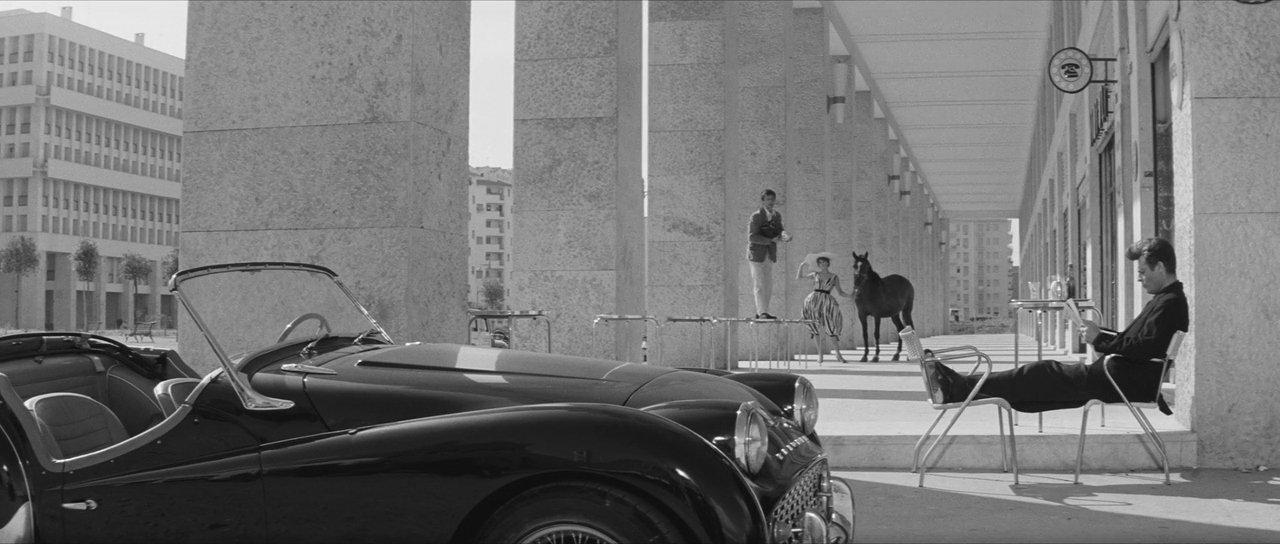
Pitching An Idea Without Messing With Egos
As you get farther on in your career and (hopefully) get better and more comfortable with your skills as a storyteller, two things will happen (well, probably more than two things, but I’ll just talk about two here). First, you will start to work with people who have less experience than you do (much, much less). Second, you will realize that just because someone is in a position (director, DP, actor), that doesn’t mean that they are necessarily good.
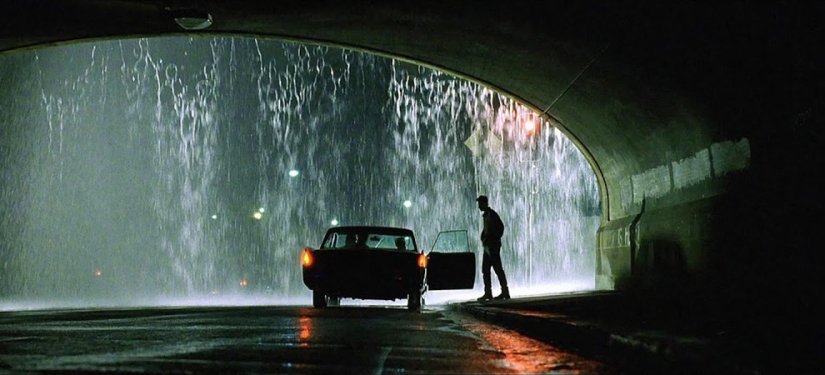
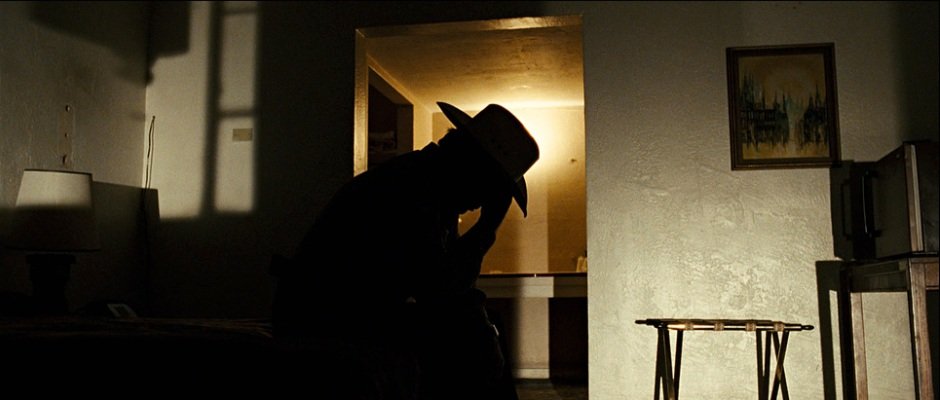
Quick Tip: Don’t Cut
As every shot finishes there is that point where the AD or Director calls cut.
Don’t.
Quick Tip: Protect Your Actors
Marking rehearsal is done, the actors head back to wherever they head back to and it’s time to light and set up the shot. Over the next 10, 15, 45 minutes you will be standing by overseeing the layout of the shot and watching the crew come in and light the set. A lot will happen, things will move and be moved back, flash will be set, you’ll be keeping an eye on everything and both rehearsing the shot, working with set dressing, working with the gaffer and key grip, sound and so much more.
But through that all, don’t forget your actors.
If It Works It Works
As filmmakers, we have all sorts of tools at our disposal: dollies, cranes, Steadicam, handheld, insert cars, drones, and on and on. Sometimes, we can get caught up in the tech and forget about what we are really there to do: to tell stories.
Quick Tip: Be Decisive
As an up-and-coming operator, it's hard to sound like you know exactly what you want to do because, let’s face it, you don't, or if you do, you're not sure that you do. I see this time and again with younger/newer operators and, largely due to societal reasons, I see this more with women who are coming up as operators than I do with men. That said, it’s a problem everyone starts with.

When To Walk Away
Assuming you do well and assuming you are going from job to job, you are going to come across some gigs that simply don't fit. You don't get along well with the DP. You are early in your career and you have a 1st AC that resents the fact that you have risen up quickly. You find yourself appalled at the actions of an actor or director and simply can’t hold your tongue anymore.
Humility
We work in an industry of attitudes that is very heavily populated by people who need validation. From general insecurities to people who feel they haven’t gotten the opportunities that others they work with have, to out and-out-jealousy, crews are made up of individuals who are wanting more than they have in their careers, and in fact, this can happen to any of us if we are not careful. It's the price of chasing a dream that goes hand in hand with stardom, money, flattery and beyond.
Quick Tip: Dolly at the Top or Bottom of Boom With Second Team
You've watched the rehearsal and set the shot with second team. You’ve worked out the move, checked reflections, looked for gear in the shot, and you are ready for first team to come in.
Why Are You Doing That?
There are usually two cameras on most shows these days, the A Camera and the B Camera. The A Camera is generally, but not always, helmed by the operator with more experience.
Avoid South Facing Chariots
As filmmakers, we have all sorts of tools at our disposal: dollies, cranes, Steadicam, handheld, insert cars, drones, and on and on. Sometimes, we can get caught up in the tech and forget about what we are really there to do: to tell stories.
When The Camera Learned To Dance
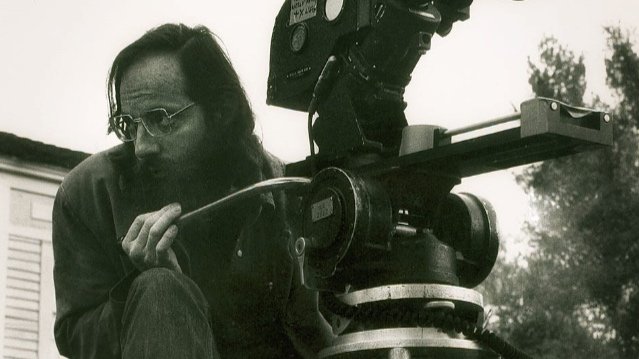
There was a time when cameras didn’t move at all. In those early days, in the novelty of the first moving pictures, pictures of people gesturing and waving on the screen were enough. Then very quickly the camera learned to travel, first on cars and trains and then on primitive dollies and cranes, and then for quite some time they were…content.